
Call Us :
+8618925446207
Email Us :
marketing@databeyond.com
 English
 Français
 Deutsch
 Español
 日本語
日本語 中文
中文





As the world's most populous nation, India generates over 400,000 tons of municipal solid waste (MSW) daily. Over 90% of this is unsegregated mixed waste, and the proportion of material-level recycling remains below 5%. The vast majority of waste ends up in open landfills, posing severe environmental and public health risks while hindering the industry's transition toward resource recovery.
In recent years, through initiatives like Swachh Bharat Mission 2.0 and the Extended Producer Responsibility (EPR) framework for plastic waste management, India has mandated an increase in waste recovery rates and a reduction in landfill disposal. The industry’s shift toward precision-based resource recovery is now imperative. DataBeyond is a core technological enabler in this transformation, with two flagship projects already operating successfully in India.
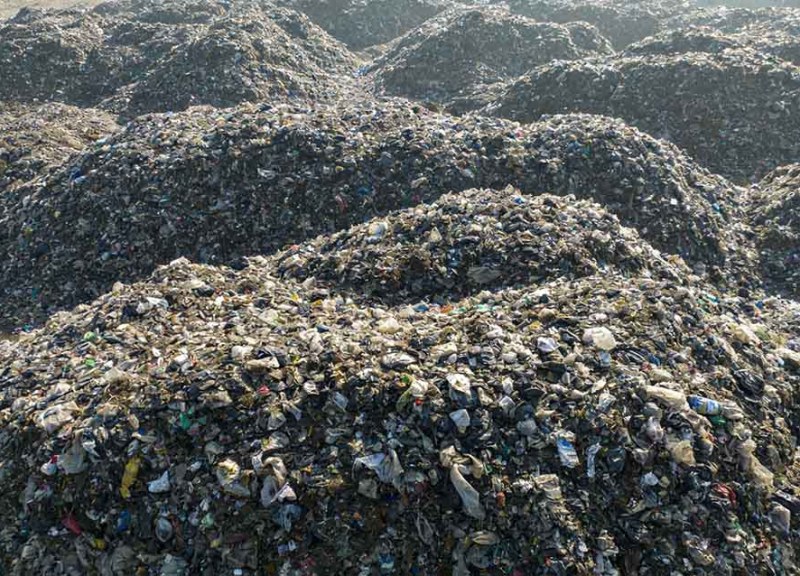
I. Three Core Pain Points of MSW Management in India
1.High Degree of Mixing & Minimal Recovery Rates Food waste, plastics, metals, and textiles are completely intermingled and contaminated, making it impossible to extract most recyclable resources effectively. Over 80% of mixed waste eventually goes to open landfills, resulting in the loss of high-value resources and incurring significant transportation and disposal costs.
2. Predominance of Manual Sorting with Severe Limitations Over 90% of plastic recycling in India relies on informal manual labor. This model is only effective for clean, high-value materials like PET bottles. It fails to accurately sort commingled household plastics or contaminated films. Manual sorting purity peaks at around 85%, which is too inefficient to meet large-scale, high-purity recycling requirements.
3. Critical Landfill Capacity Shortages & Surging Compliance Pressure Over 70% of landfills nationwide have exceeded their designed lifespan, with remaining capacity generally under five years. Simultaneously, the full implementation of the EPR system mandates that brands and packaging companies meet strict plastic recycling quotas. Under traditional disposal models, enterprises are trapped between "high compliance costs" and "heavy non-compliance penalties."
II. DataBeyond: AI + Hyperspectral Technology Tailored for India’s Industry Pain Points
Addressing the core demands of the Indian market, DataBeyond leverages its self-developed AI deep learning algorithms and hyperspectral identification technology to create an MSW full-process solution adapted to Indian site conditions. The solution achieves two core objectives:
●Waste Reduction: Before waste enters landfills or incinerators, recyclables and non-combustibles are extracted upfront. This directly reduces the total volume of terminal disposal by 20%-50%, extending landfill life and slashing high disposal fees.
●Resource Recovery: Through DataBeyond’s optical sorters, low-value waste previously destined for landfills is transformed into high-purity, marketable recycled raw materials, satisfying EPR compliance while generating additional revenue.
Key Advantages Addressing Industry Pain Points:
●Precision Identification: Capable of identifying hundreds of plastic types with a stable sorting purity of over 99%.
●Contamination Management: Hyperspectral technology accurately sorts contaminated film plastics while strictly rejecting harmful PVC, eliminating dioxin pollution risks at the source and meeting Indian environmental standards.
●Automated Operations: "Machine-for-human" automation significantly cuts labor costs and is resilient to India’s harsh working environments characterized by high temperatures, humidity, and dust.
●Flexible Scalability: Solutions are customizable based on processing scale and waste composition, making them a perfect fit for small, medium, and large-scale stations.
III. Proven Success: Flagship Projects in India
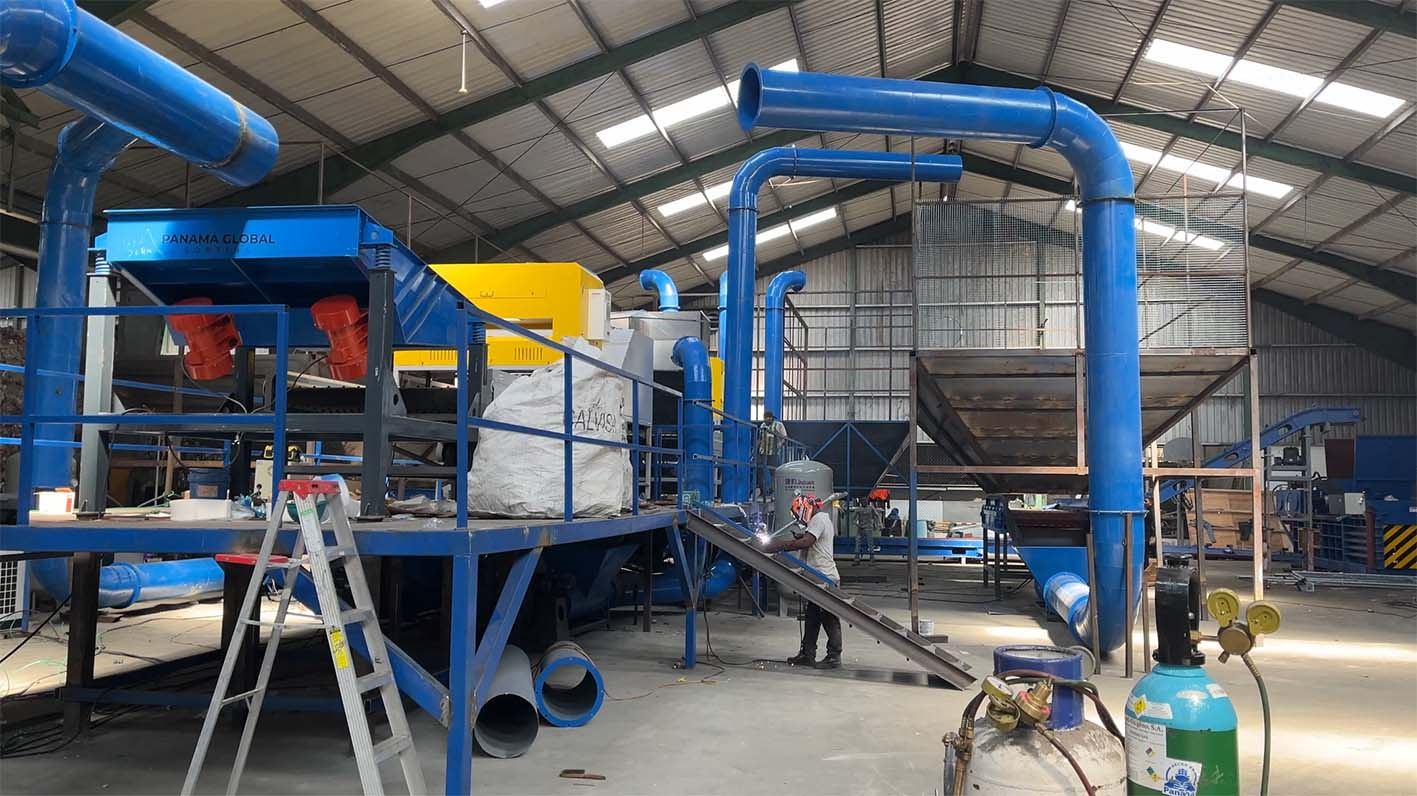
Case 1: Shivay Industries – Precision Household Plastic Sorting Project Shivay Industries, a leading plastic recycler in Gujarat, needed to extract high-purity HDPE from mixed household plastics to increase product premiums. Previously, they relied on manual sorting, which was inefficient and produced low-purity output that could only be sold as low-end mixed scrap, severely squeezing profit margins.
DataBeyond customized an intelligent sorting line equipped with AI and hyperspectral sensors. The system achieves high-precision HDPE sorting with the ability to switch between multiple material sorting programs at the touch of a button.
●Results: HDPE purity is stable at 99%+, allowing direct supply to high-end downstream clients and significantly increasing the price per ton.
●Impact: Replaced dozens of manual sorters, achieving remarkable cost reduction and efficiency gains.
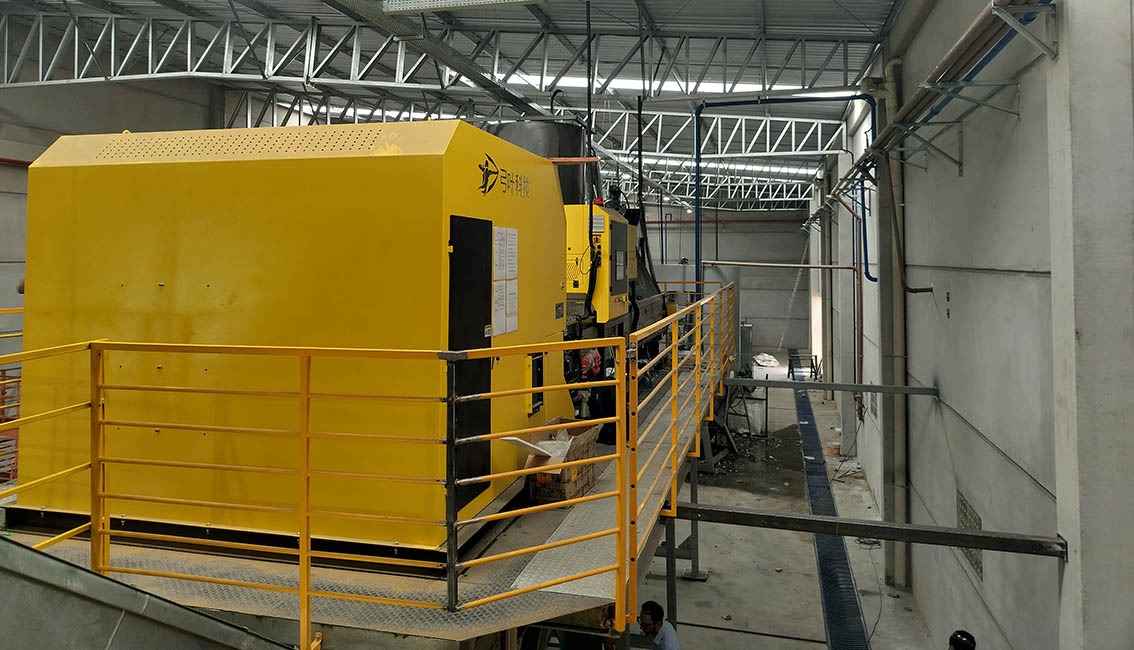
Case 2: UFlex – MSW Resource Recovery & Waste Reduction Project UFlex, India’s largest flexible packaging company and a global leader in packaging solutions, aimed to meet mandatory EPR recycling requirements while solving the disposal challenges of MSW from its factories and surrounding areas. Previously, mixed waste was sent directly to landfills, resulting in high disposal costs and a failure to meet compliance targets.
DataBeyond implemented a full-process intelligent sorting solution: initial pre-treatment handles bag-breaking and screening, followed by AI optical sorters to extract high-value rigid plastics and metals. The core stage utilizes AI-Hyperspectral sorters to precisely extract PE film from low-value materials.
●Results: Achieved a reduction of over 30% in MSW landfill volume. The remaining residue is compressed and sent for terminal disposal, ensuring both environmental sustainability and regulatory compliance.
Looking ahead, DataBeyond will continue to deepen its presence in the Indian market, utilizing proven intelligent sorting technology to help more enterprises and municipalities solve MSW disposal challenges and accelerate India’s transition to a circular economy.
 IPv6 network supported
Leave A Message
Scan to Wechat :

Scan to WhatsApp :