
Call Us :
+8618925446207
Email Us :
marketing@databeyond.com
 English
 Français
 Deutsch
 Español
 日本語
日本語 中文
中文




In the global field of solid waste management, Japan is renowned for its meticulous front-end waste sorting system. As early as 2001, Japan established the 3R core principles (Reduce, Reuse, Recycle) and a comprehensive regulatory framework covering the entire waste lifecycle. The core objectives are clear: source reduction of Municipal Solid Waste (MSW), enhancement of terminal resource recovery rates, and strict control of environmental risks and carbon emissions from incineration, all while addressing the landfill crisis caused by limited land resources.
However, with evolving social structures and escalating circular economy requirements, Japan’s MSW treatment is hitting a bottleneck.
I. Current Status and Core Pain Points of MSW Disposal in Japan
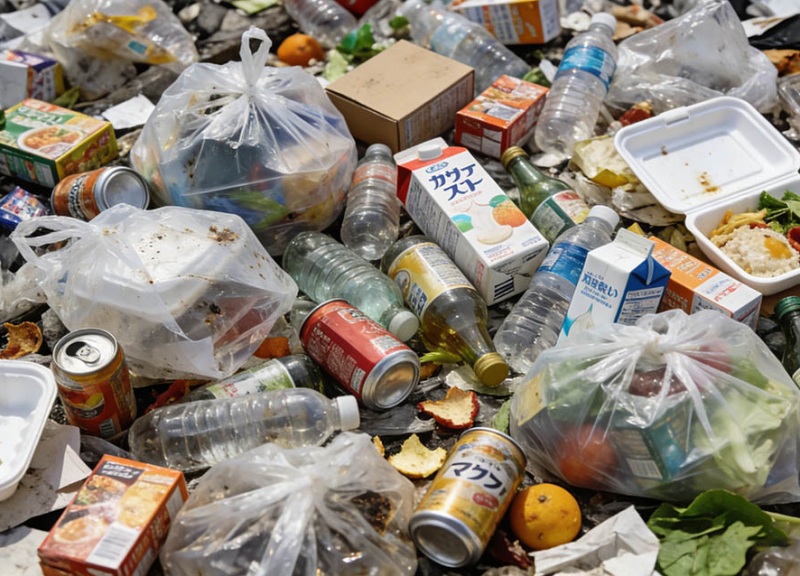
Japan's municipal waste recycling rate stands at approximately 20%, below the OECD average. Over 70% of MSW is still disposed of through incineration. This "incineration-centric" model now faces dual challenges:
1.Environmental and Resource Dilemma:
On one hand, chlorine-containing plastics like PVC in mixed waste generate hydrogen chloride during incineration, causing high-temperature corrosion in boiler pipes and driving up environmental compliance costs. On the other hand, vast amounts of recyclable plastics, paper, and metals are incinerated, which contradicts circular economy goals.
2.Labor Shortage vs. Sorting Efficiency:
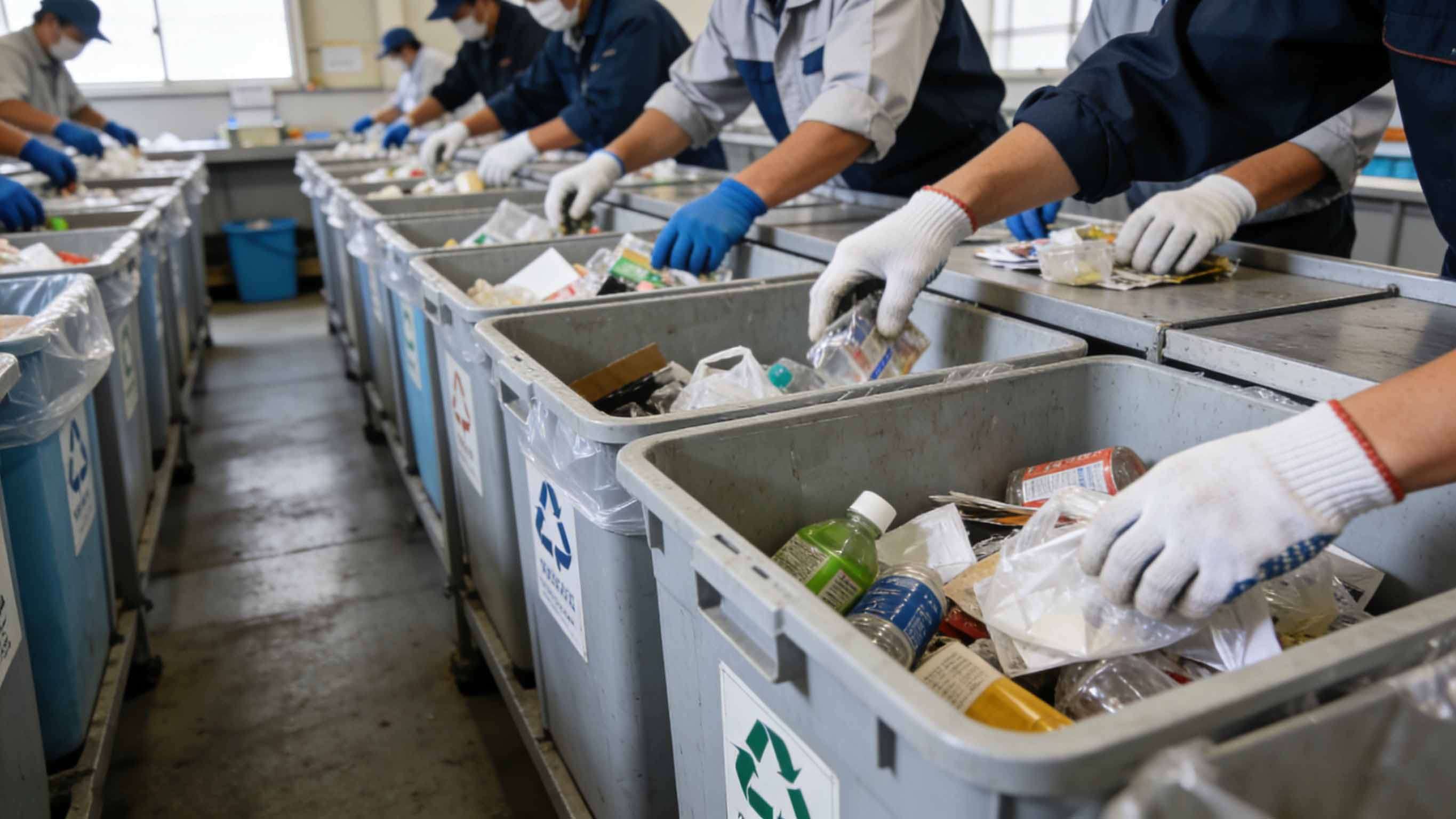
Traditional sorting relies heavily on manual labor, which suffers from low efficiency, inconsistent precision, and occupational health risks. With an aging population and shrinking workforce, this contradiction is becoming increasingly acute.
As a global leader in intelligent sorting for renewable resources, DataBeyond Technology provides a full-chain solution to solve the dual challenges of "reduction" and "resource recovery" for Japan's MSW.
II. DataBeyond: Reconstructing the MSW Value Chain with AI Intelligent Sorting
Addressing Japan's pain points and stringent environmental regulations, DataBeyond leverages its automated, intelligent, and digital AI sorting technology to create a full-chain solution deeply adapted to local Japanese scenarios.
1.End-to-End Intelligent Sorting for Source Reduction
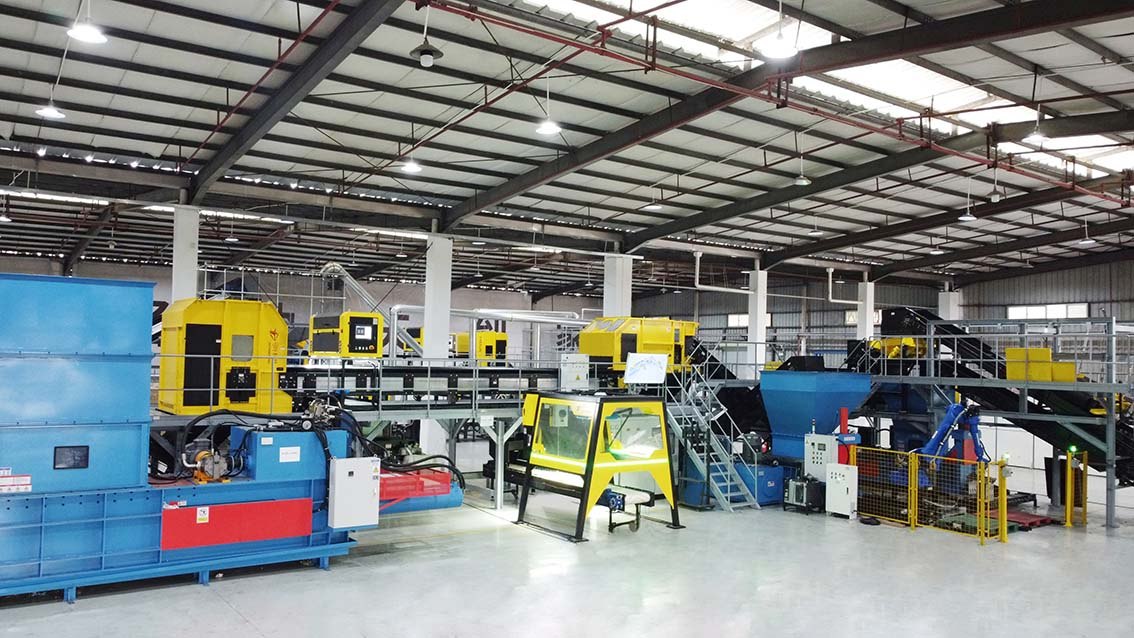
DataBeyond’s resource recovery solution begins with a hierarchical pre-treatment system. It automates bag breaking, bag clearing, and impurity removal—seamlessly solving the pre-treatment challenges of Japan's bagged MSW. Through a multi-stage intelligent sorting process, recyclables and non-combustibles are extracted to the maximum extent before reaching the incineration stage. This significantly reduces the total volume for terminal disposal, lowering both transportation and incineration costs.
2. Full-Category Precision Sorting to Unlock Resource Value
●High-Value Recyclables Extraction: Powered by self-developed AI Hyperspectral Optical Sorters, DataBeyond precisely identifies and sorts high-value materials such as plastics, metals, glass, and paper from complex MSW. Even for soiled, damaged, or highly mixed materials, the sorting accuracy remains above 95%.
●Upcycling of Low-Value Recyclables: Our technology accurately extracts PP and PE films from low-value waste for direct re-granulation or pyrolysis into fuel oil. Simultaneously, it removes hazardous PVC films, eliminating the risk of hydrogen chloride and dioxin generation at the source.
●Closed-Loop Utilization of Residuals: Remaining materials undergo dry-wet separation. Dry residuals can be processed into Refuse-Derived Fuel (RDF) to replace fossil fuels for power or heat generation, while organic/wet waste can produce biogas through anaerobic digestion or be dehydrated into fuel rods.
3. Strategic "Reduction" Scenarios: Transfer Station Transformation
DataBeyond focuses on "reduction" at the Waste Transfer Station level (rather than residential areas). For transfer stations with an area of at least 100㎡ and a height of over 8m, DataBeyond provides turnkey services—from design and equipment production to installation and digital management—transforming them into intelligent reduction centers.
III. Strategic Partnership: Localized Impact
DataBeyond has entered into a deep strategic partnership with Huaxing Co., Ltd. in Japan, integrating global leading sorting technology with the local needs of Japan’s circular economy.
This solution does not only increase the resource recovery rate of MSW but also empowers customers to achieve a dual benefit of "Cost Reduction + Revenue Growth". By slashing terminal disposal fees (reducing incineration costs by 35-50% for local governments) and generating significant economic returns through the sale of high-purity recycled raw materials, we are accelerating the intelligent era of global recycling.
 IPv6 network supported
Leave A Message
Scan to Wechat :

Scan to WhatsApp :